
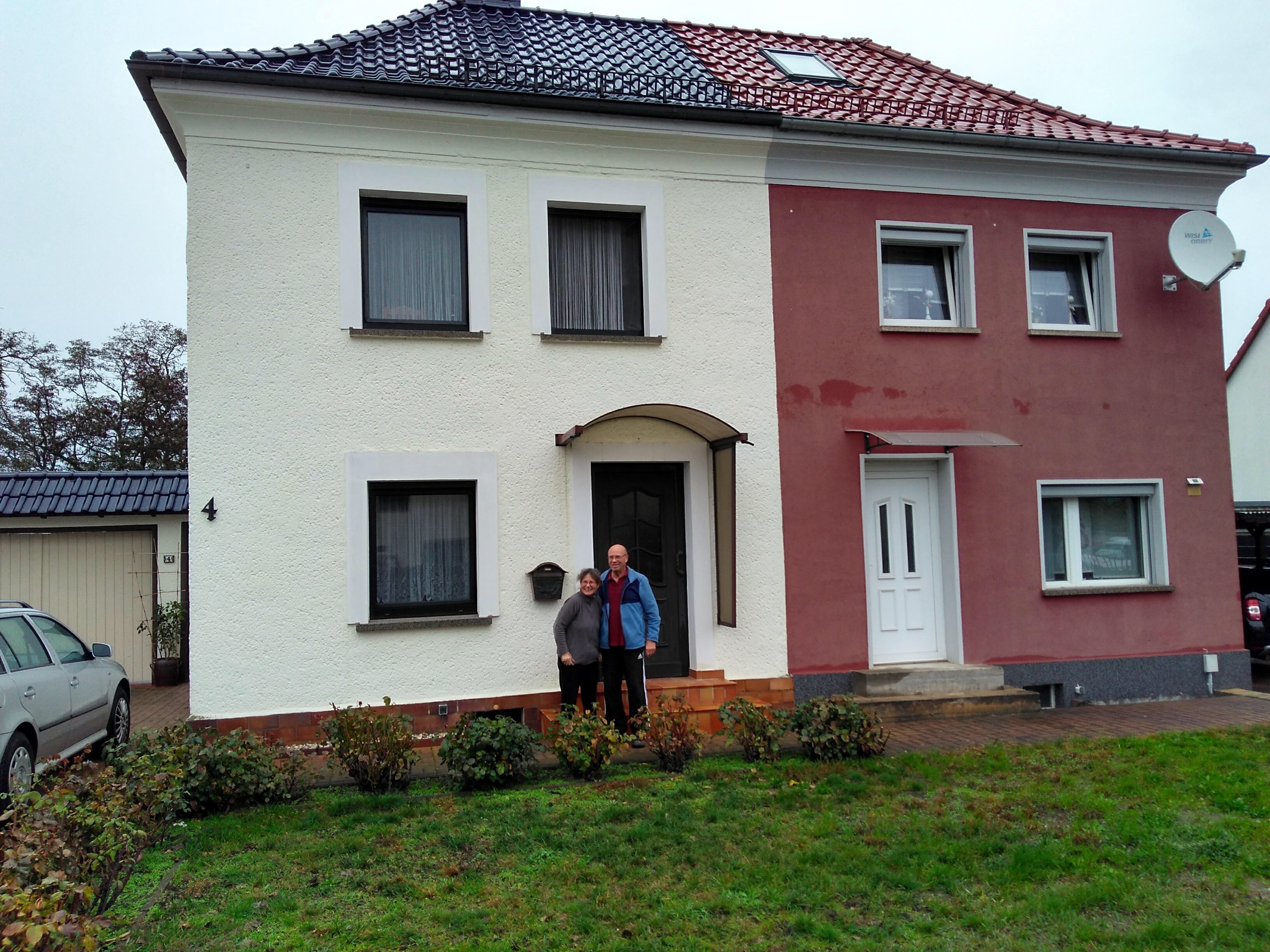
Claudia grew up in small towns between Wittenberg and Leipzig, and her mother and stepfather still live in one of those, Sandersdorf. Their house was our home base as we took a day (each) to explore the towns of Halle and Leipzig.
This whole region, including Wittenberg, is in the former GDR (Eastern Germany). Learning from Claudia about what life was like during the time of the Soviet occupation has been extremely enlightening (to say the least). She was 12 when Germany was reunited. Her stories of how repression affected people, family members who attempted to leave the country, the decades of rebuilding the countless places devastated by bombs (or the Soviet’s decision to NOT rebuild them) were heart wrenching. And yet, rising above it all is the resiliency of these people, evident around every corner.
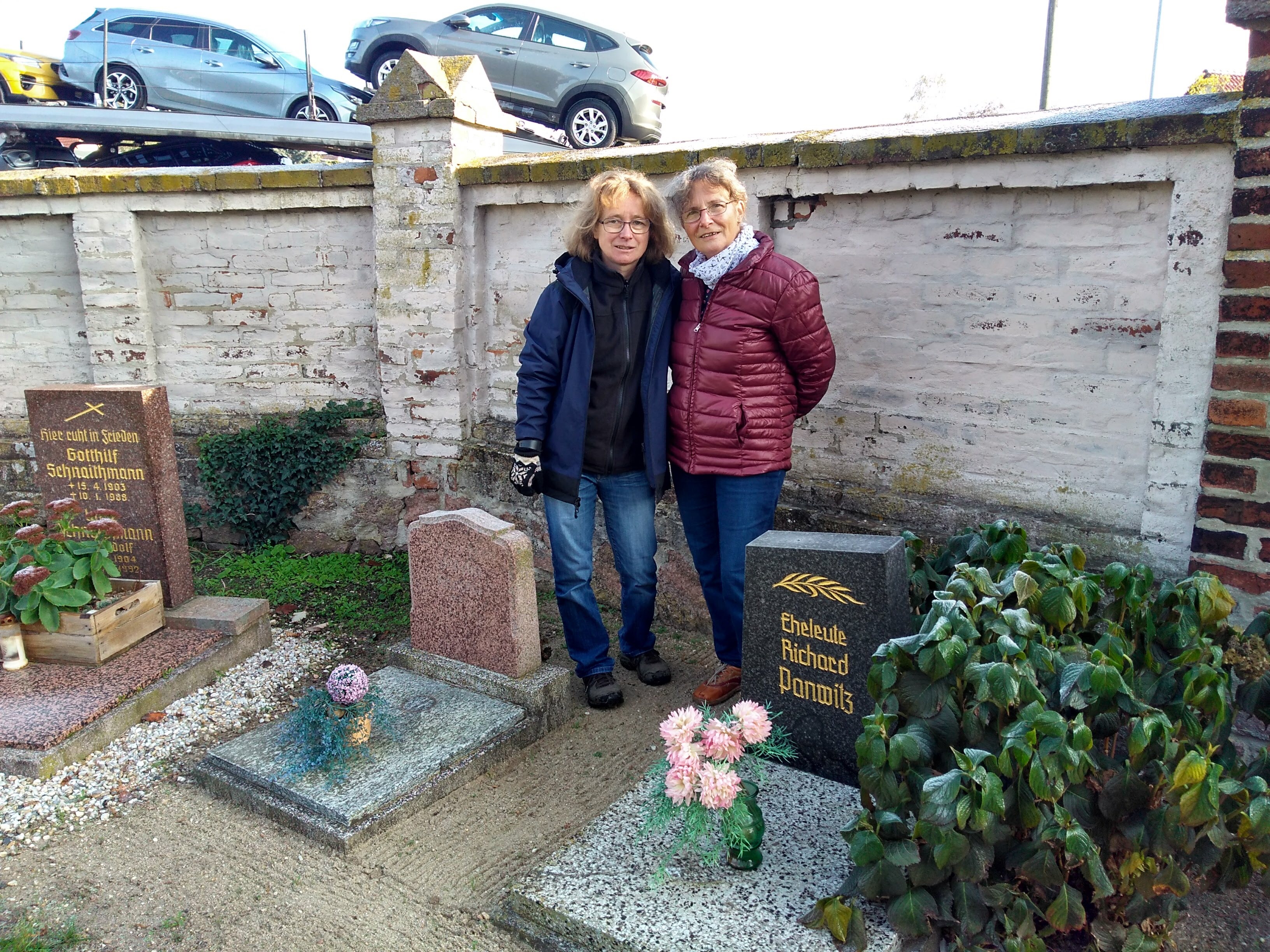
It was All Saints Day (Nov. 1), so our first stop was at the church graveyard to tidy up the graves of Claudia’s grandparents and the infamous Uncle Wilhelm (not actually an uncle) whom I had heard all about.
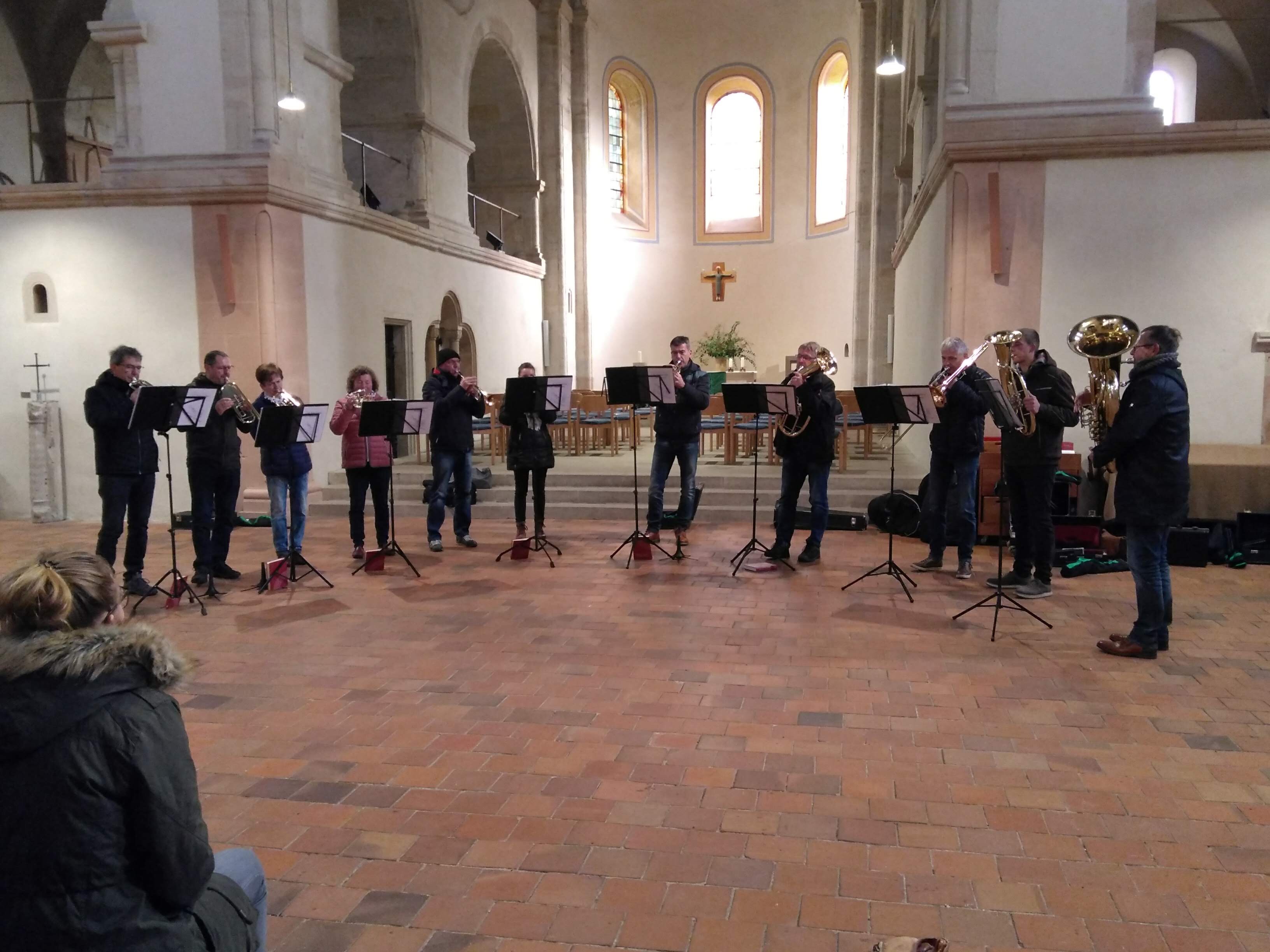
Then, to an old (12th century old) monastery on a hill where we were looked around for a bit and then noticed people with instruments walking into the chapel. To our delight, they began playing, and we were treated to an ad hoc concert!
Then, on to the city of Halle, which Claudia knows well. She got her undergraduate degree at the university there, and later her doctorate, and she and Helmut met, married, and lived there until Helmut’s retirement from teaching two years ago.
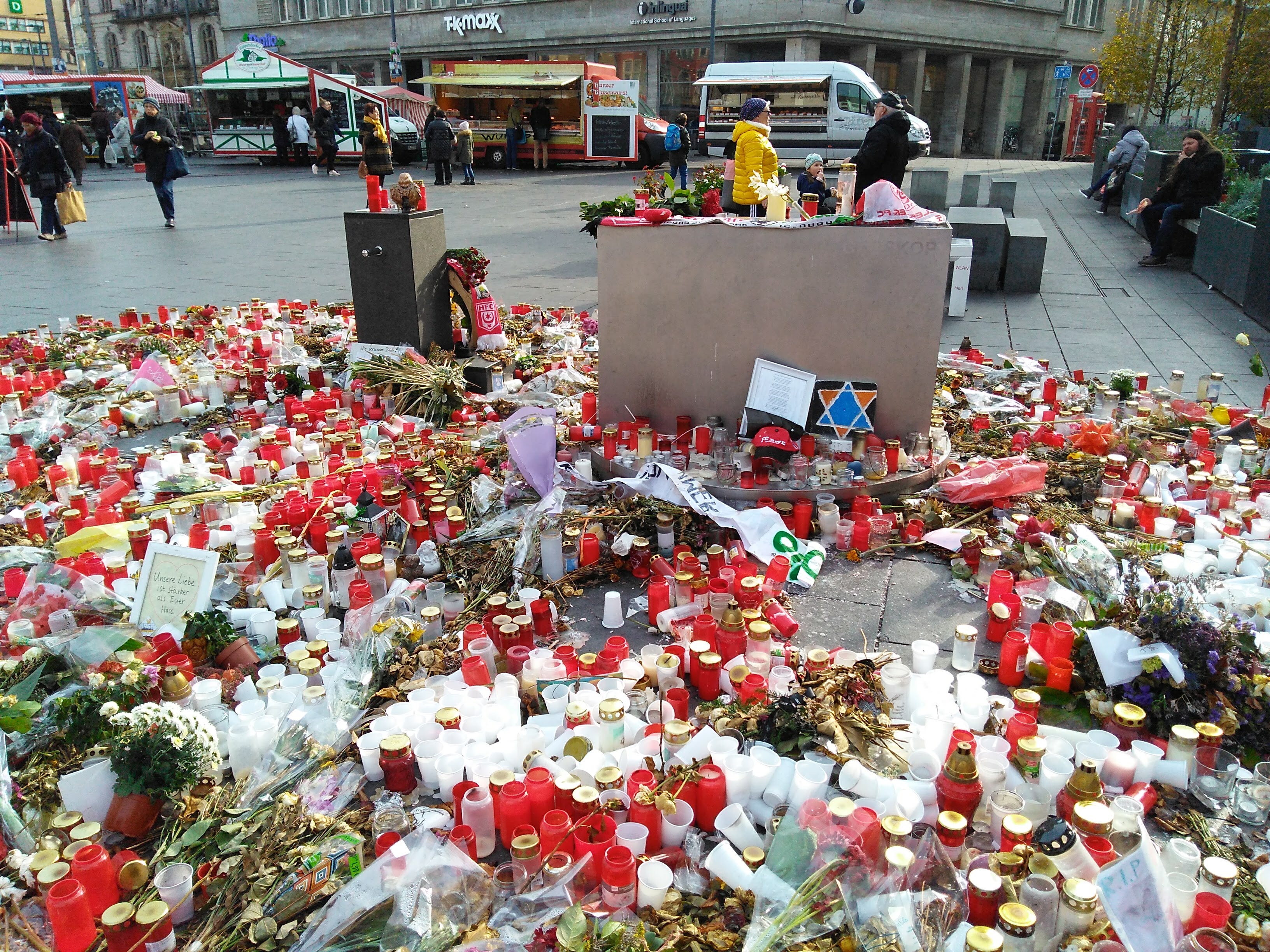
There was a large memorial in the Market Square for the victims of the shooting in Halle on Yom Kippur just a few weeks before.
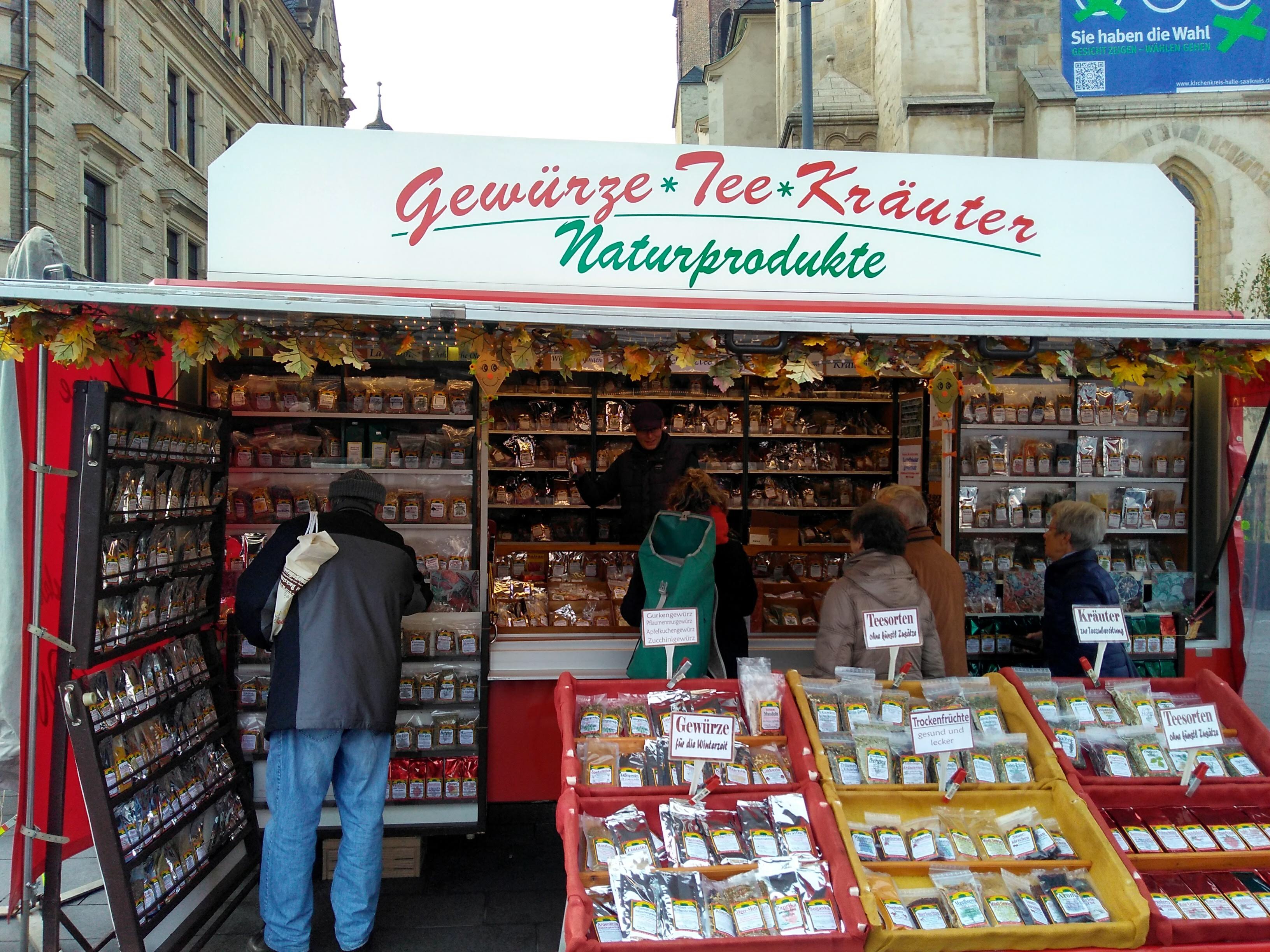
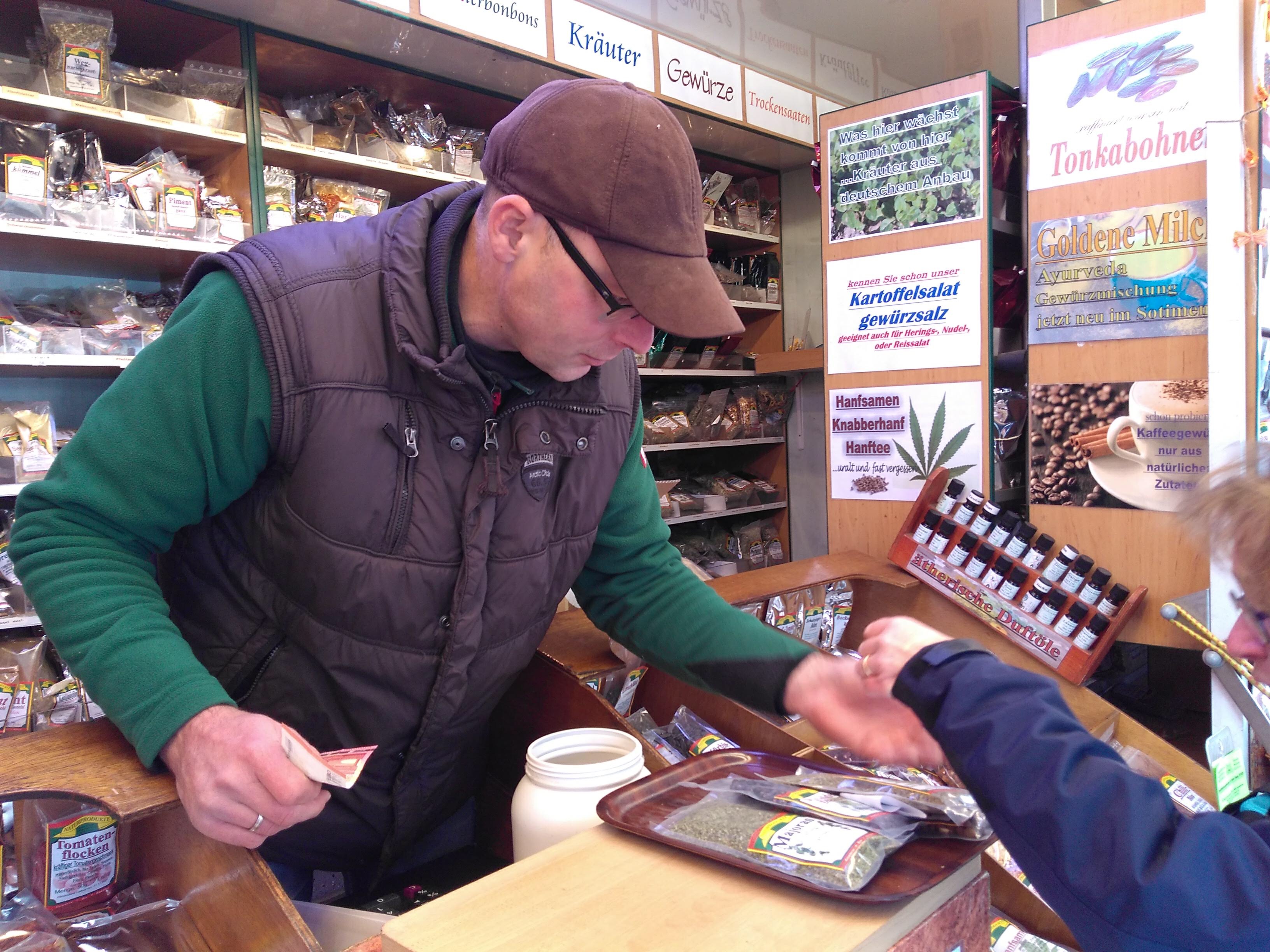
Claudia gets her spices from the “Spicy Man.” His stand is set up in Market Square on Wednesdays and Fridays and it was Friday! (We planned for this.)
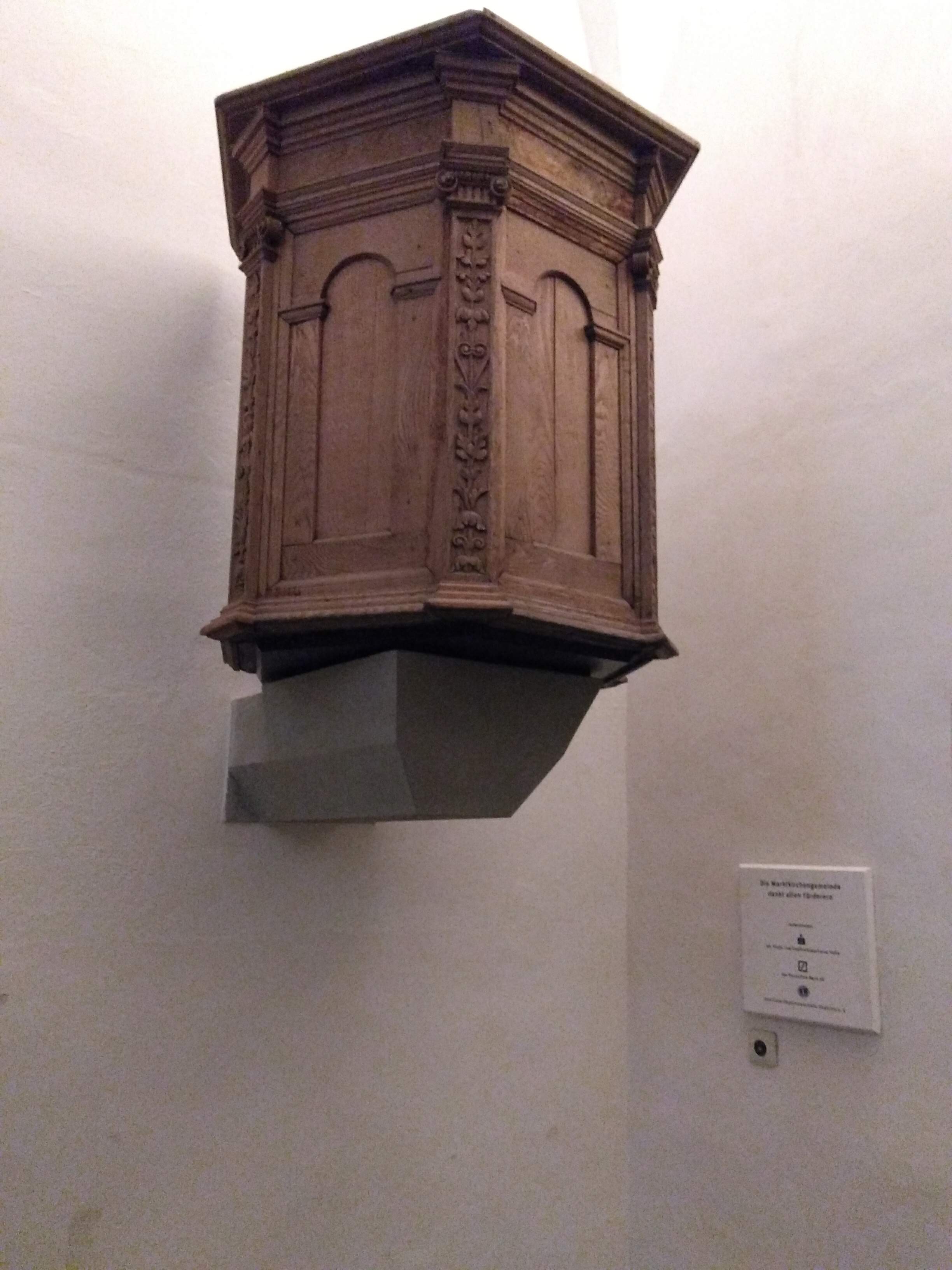
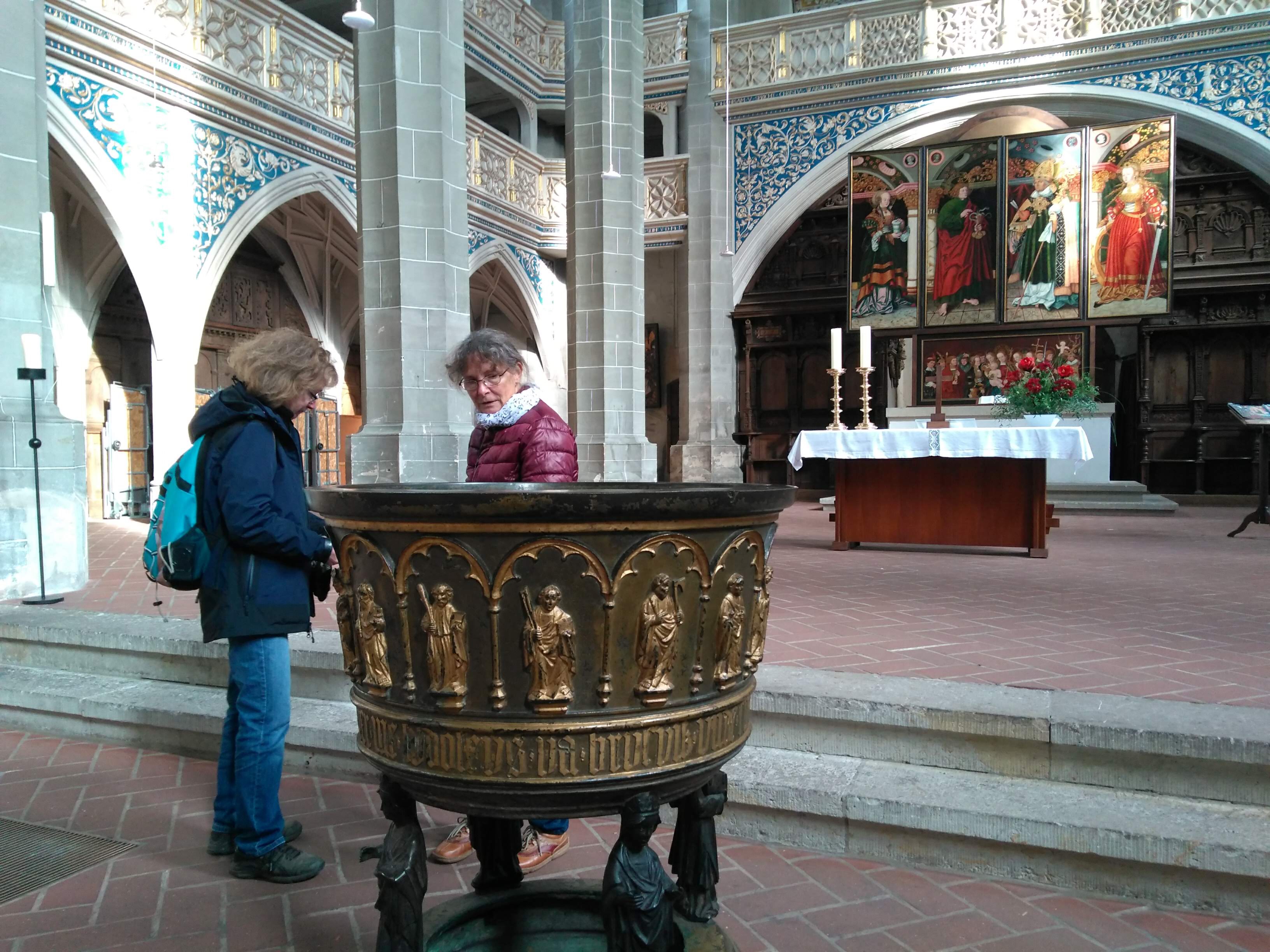
Centuries ago two town church buildings were combined into one, Marktkirche, and inside is a special room with a wax figure of Martin Luther made in the early 1900’s from one of his death masks. It was a bit ghoulish so no photo here.
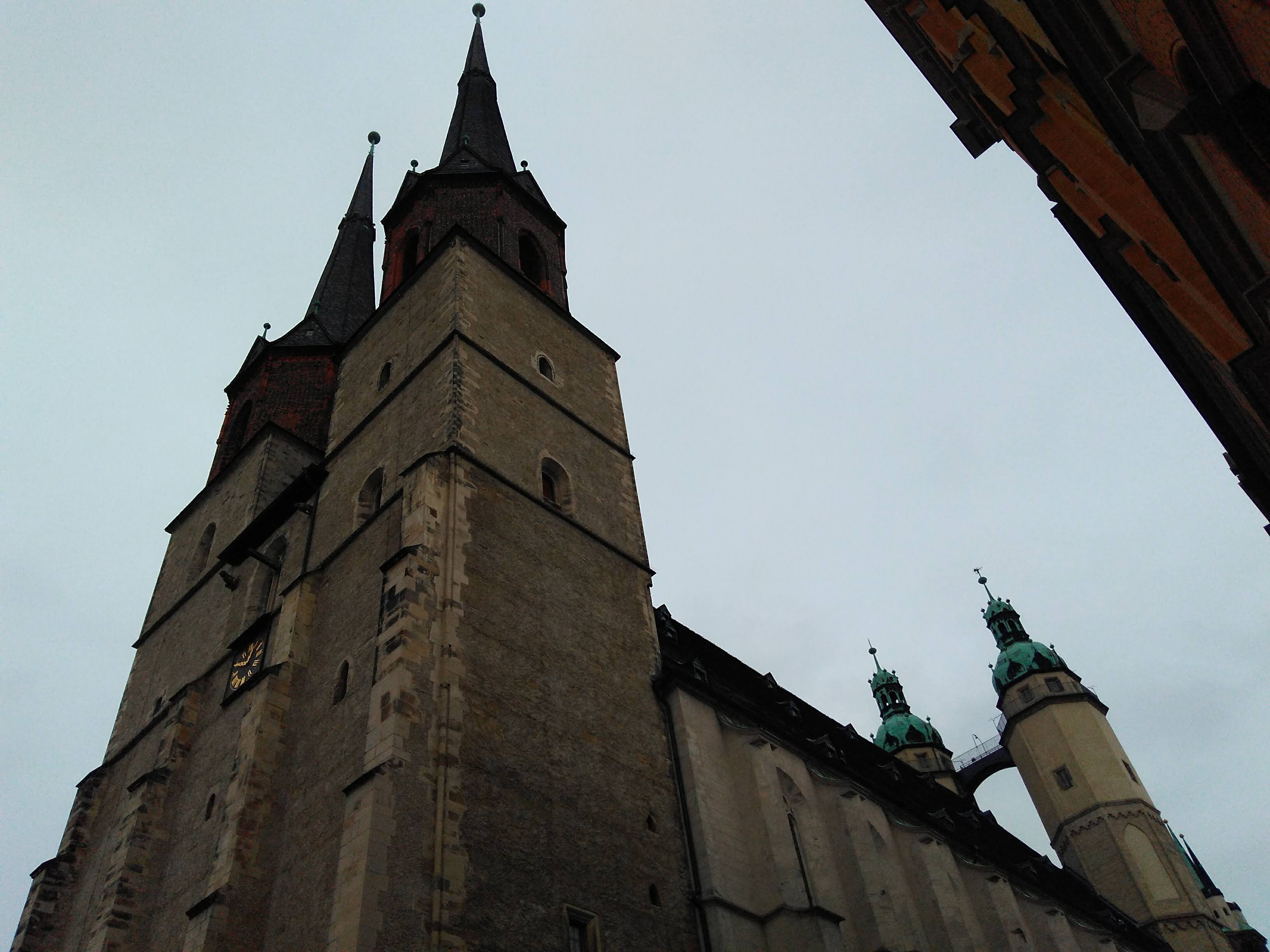
Martin Luther preached here in his last years, and his funeral procession stopped here on its way back to Wittenberg for his final burial.
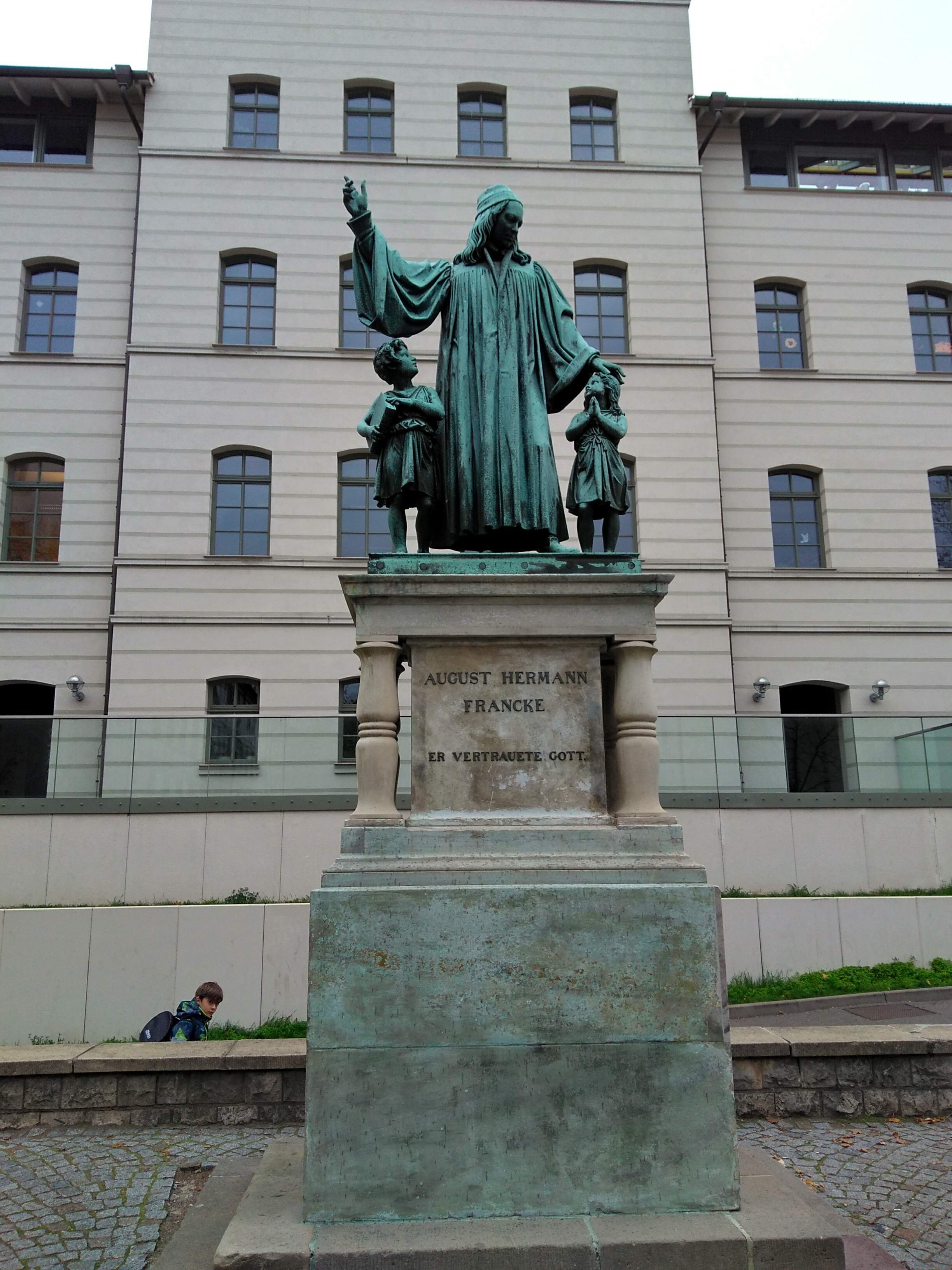
After lunch we walked to a large complex of buildings—-the site of an old orphanage and schools which has been restored (after the war bombings) and is now a cultural heritage site.

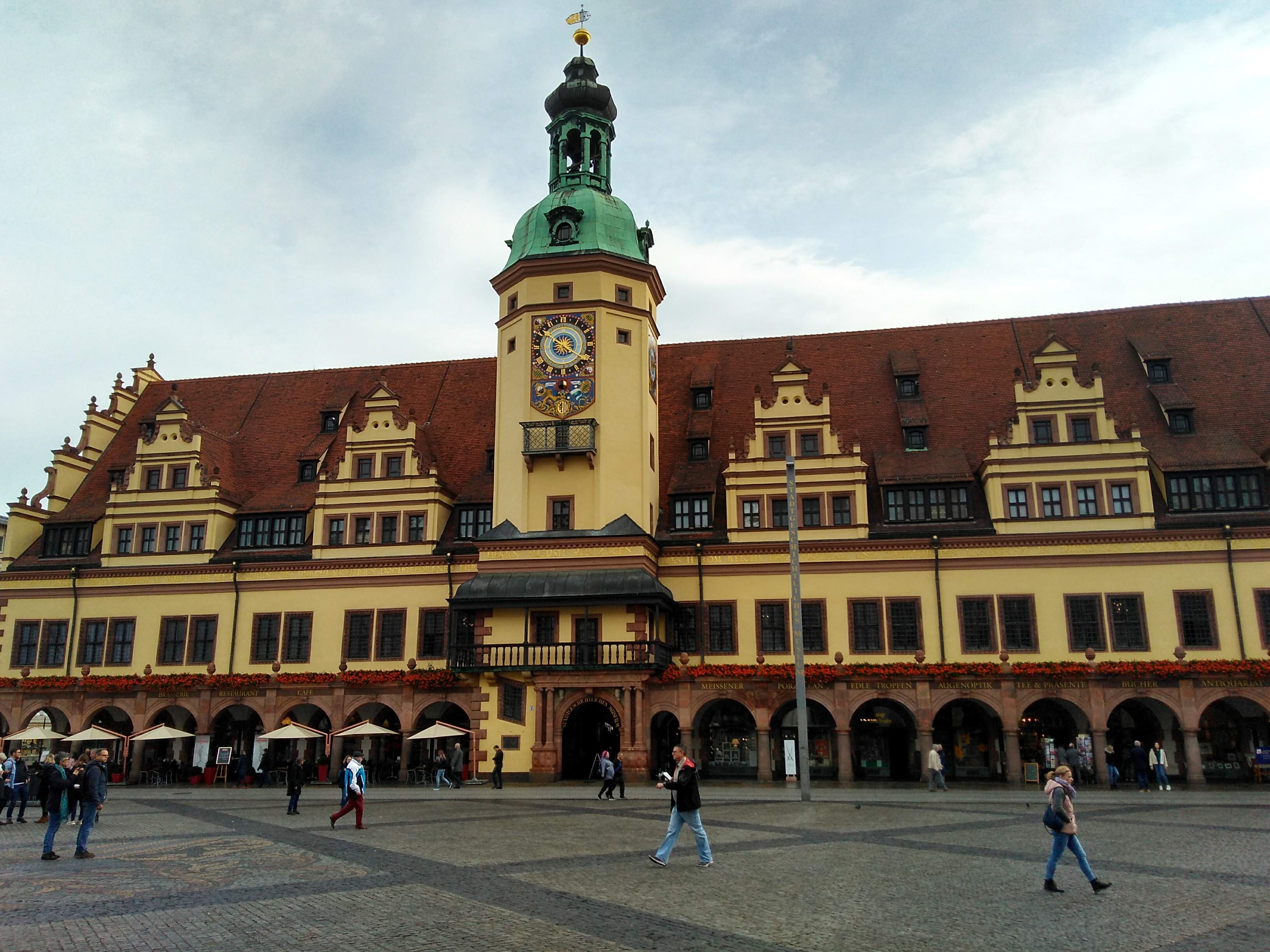
I could go on and on about Halle, but we must move on to the next day’s adventure which was LEIPZIG. It was another day full of amazing sites and rich history.
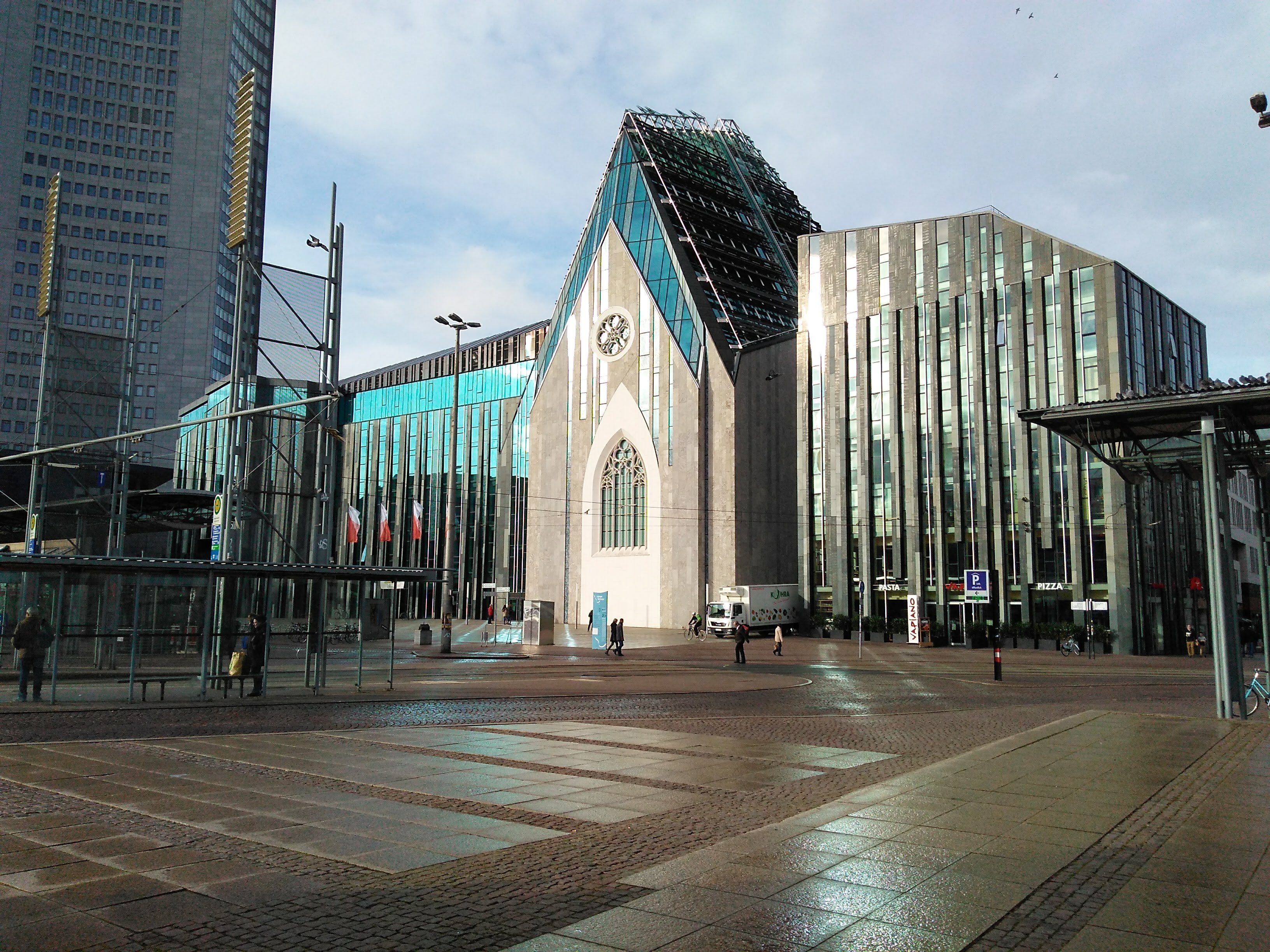
The church below has a very interesting history. On this site was a large church originally constructed in the 13th century. It was severely damaged by bombing in WWII. The people of Leipzig desperately wanted to restore the church, but the Soviets decided to demolish it in 1968. After reunification, the town decided to build a new church.
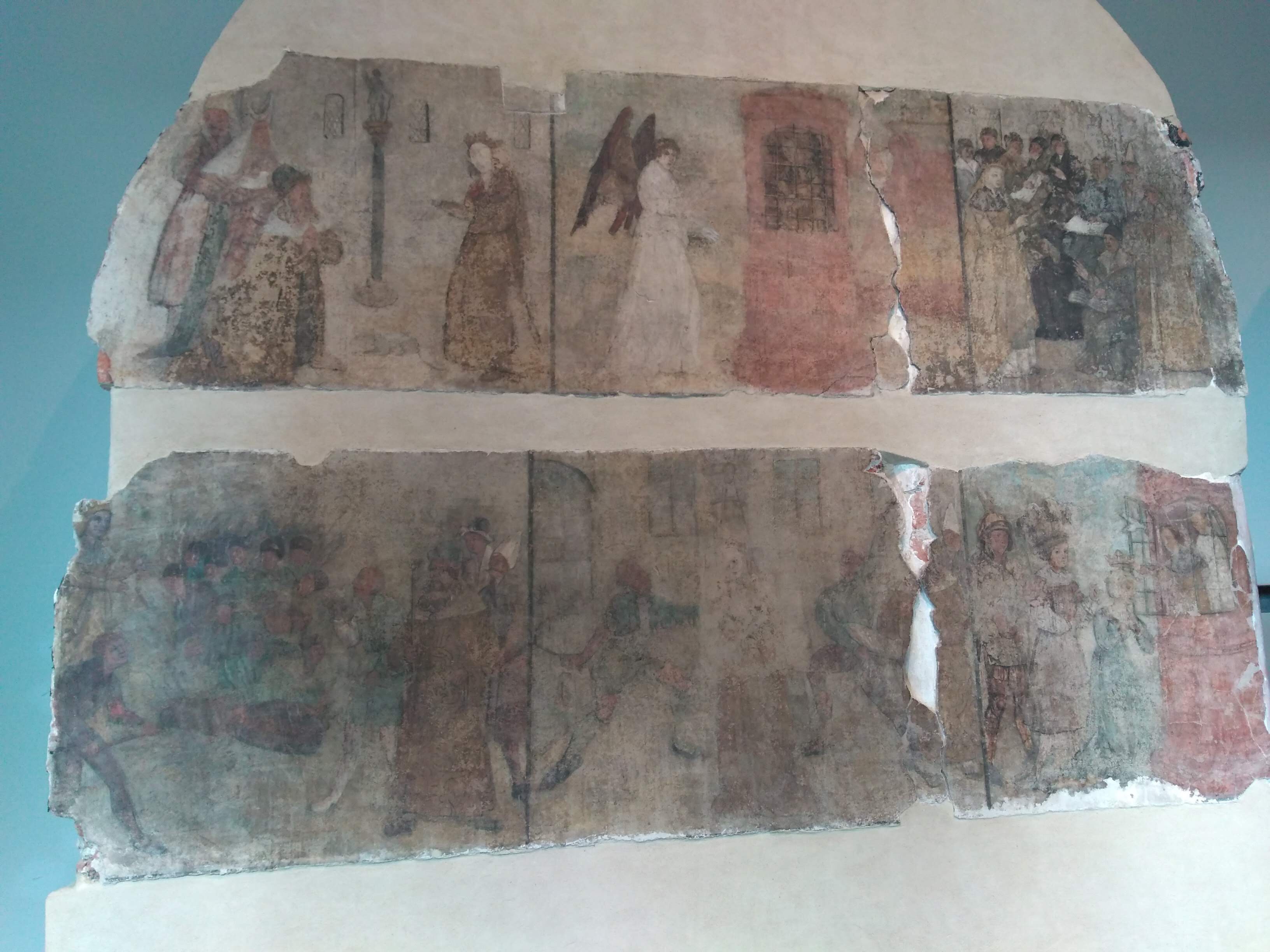
On display inside are some remnants of the old building that people removed before the demolition.
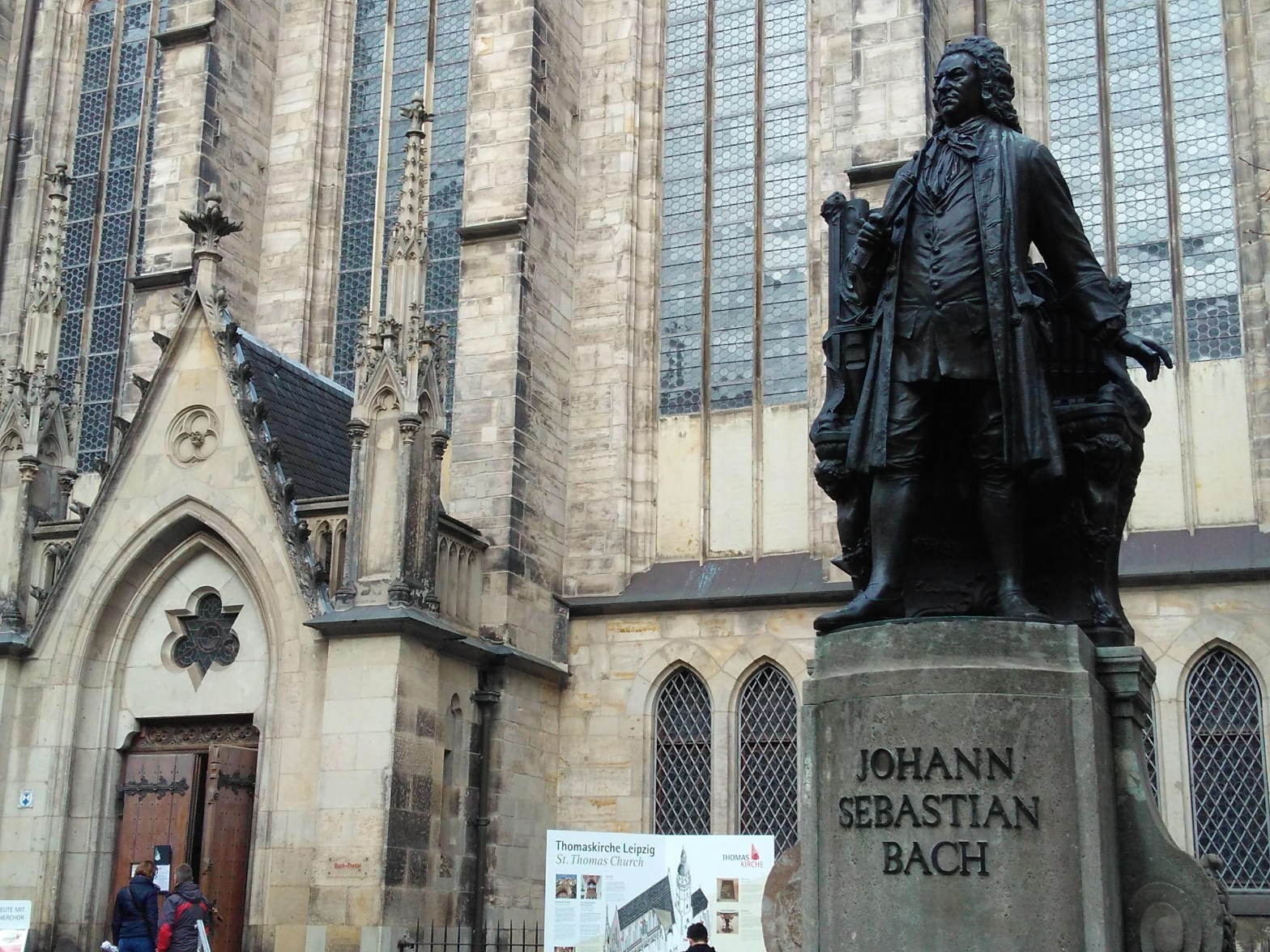
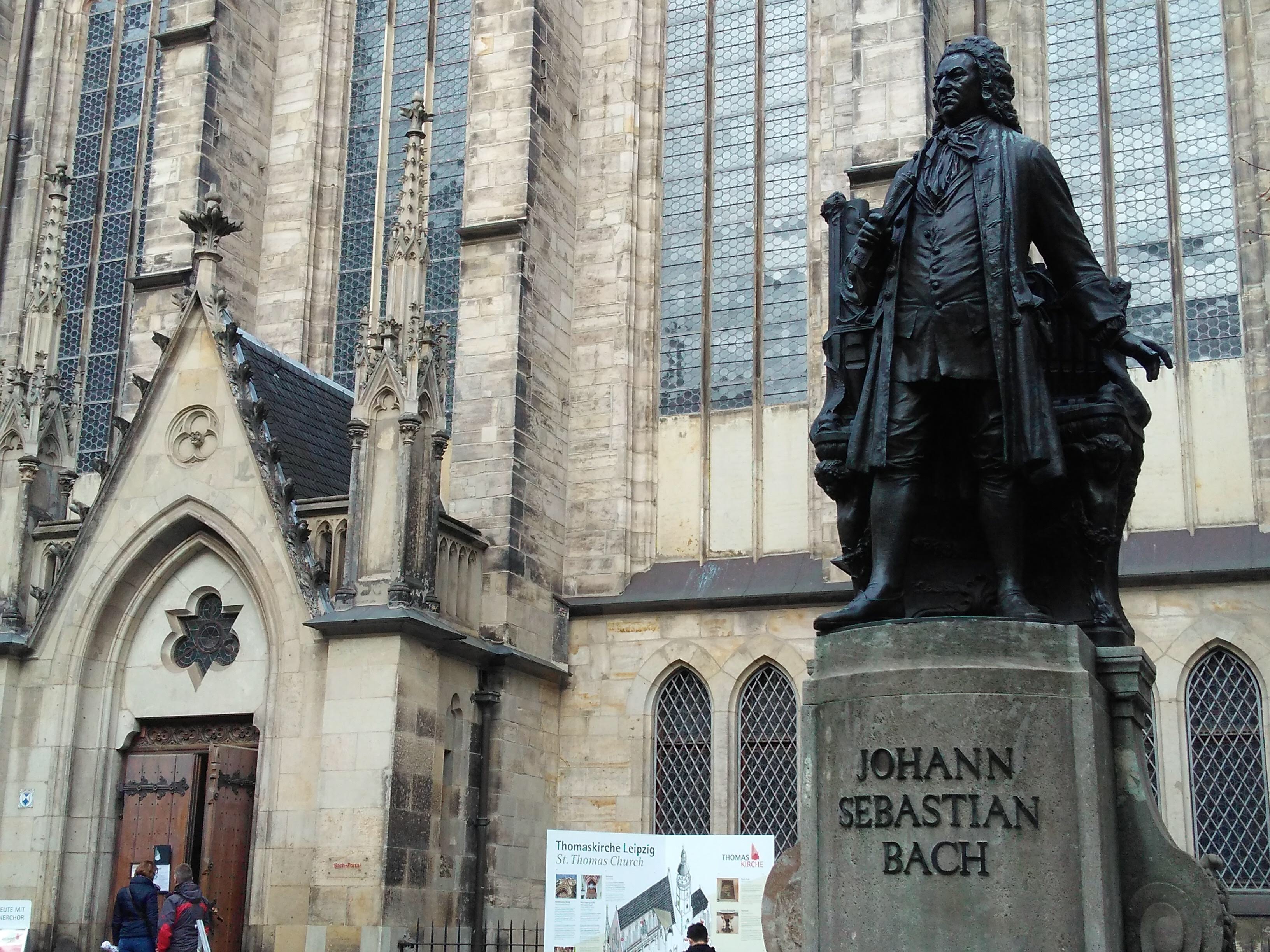
Leipzig claims several music “masters” as its own, the most famous of which is J.S. Bach who was organist and composer at the St. Thomas Church for over 25 years.
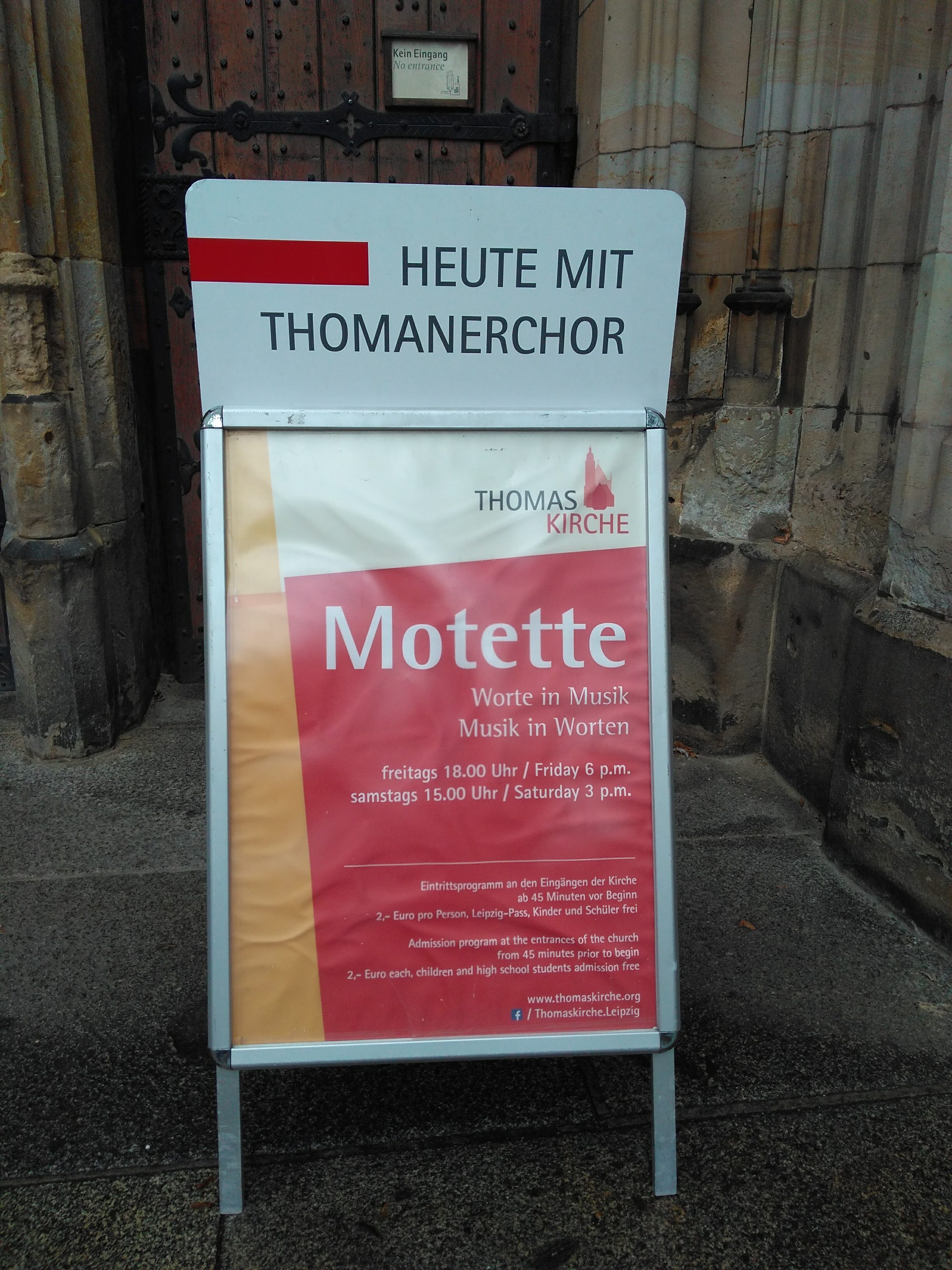
There are public concerts on Fridays and Saturdays, and it was Saturday! The €2.00 tickets are not sold in advance, so there was some standing-in-line. Oh my, was it worth it!!! Such a thrill.
A double thrill!
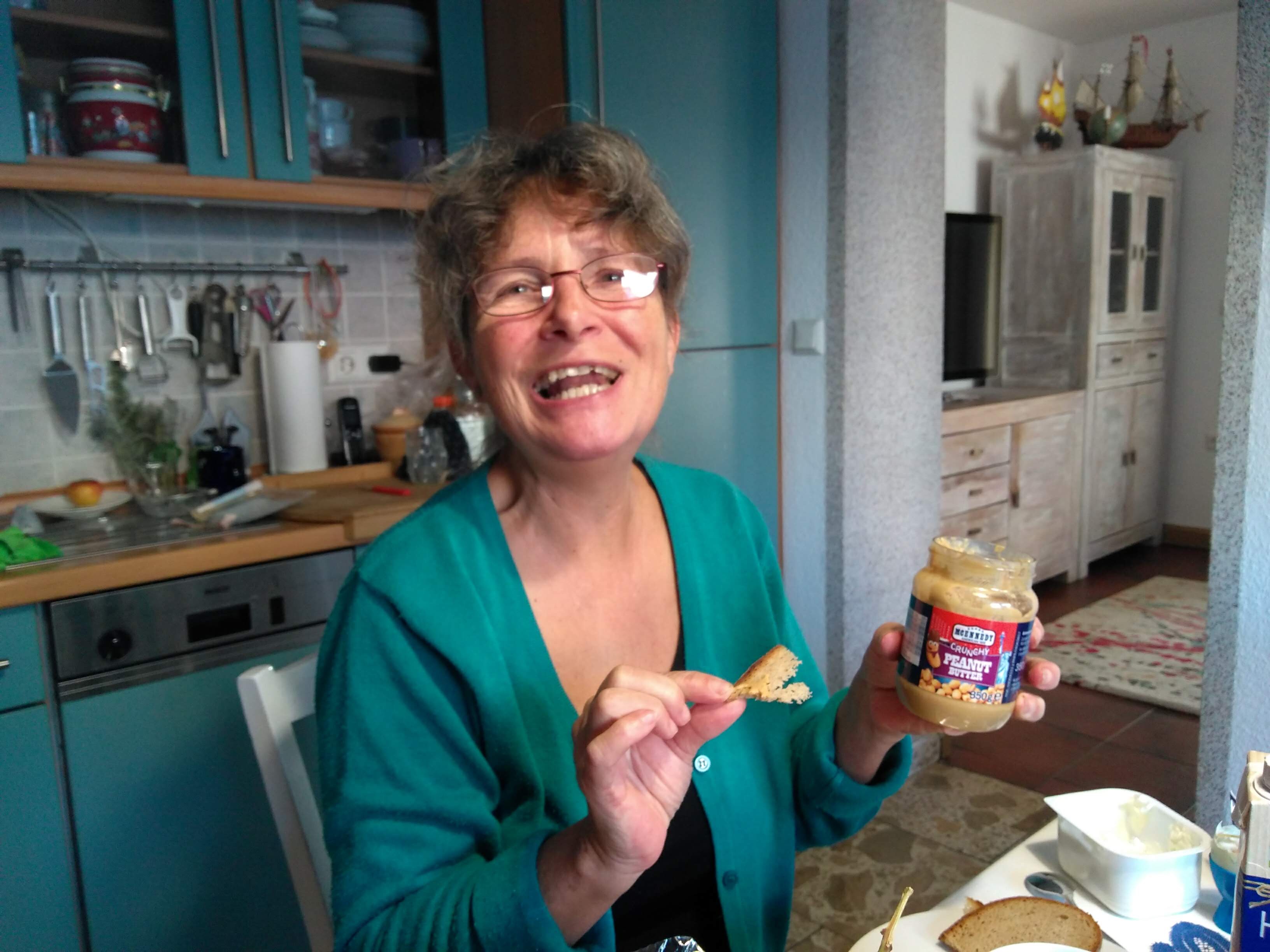
Trudi and Horst were gracious hosts for the three nights we stayed in Sandersdorf. Claudia faithfully served as translator for us. I enjoyed the German food that we had with them, and Trudi delighted in the American treat that I brought along to share.
 This Journey Begins Now
Oh, Bonnie! What a wonderful trip! Thanks for taking me along
LikeLike